
Lawn Services
Lawn Weeds & Diseases
Are dandelions, crabgrass, or mysterious brown patches taking over your lawn? We identify exactly what's affecting your turf — weeds or disease — and eliminate it with targeted treatments that actually work.
Below are a list of lawn weeds and diseases that are common in the Lehigh Valley
Common Lehigh Valley Weeds We Treat
Identify weeds and learn the best control windows for each.
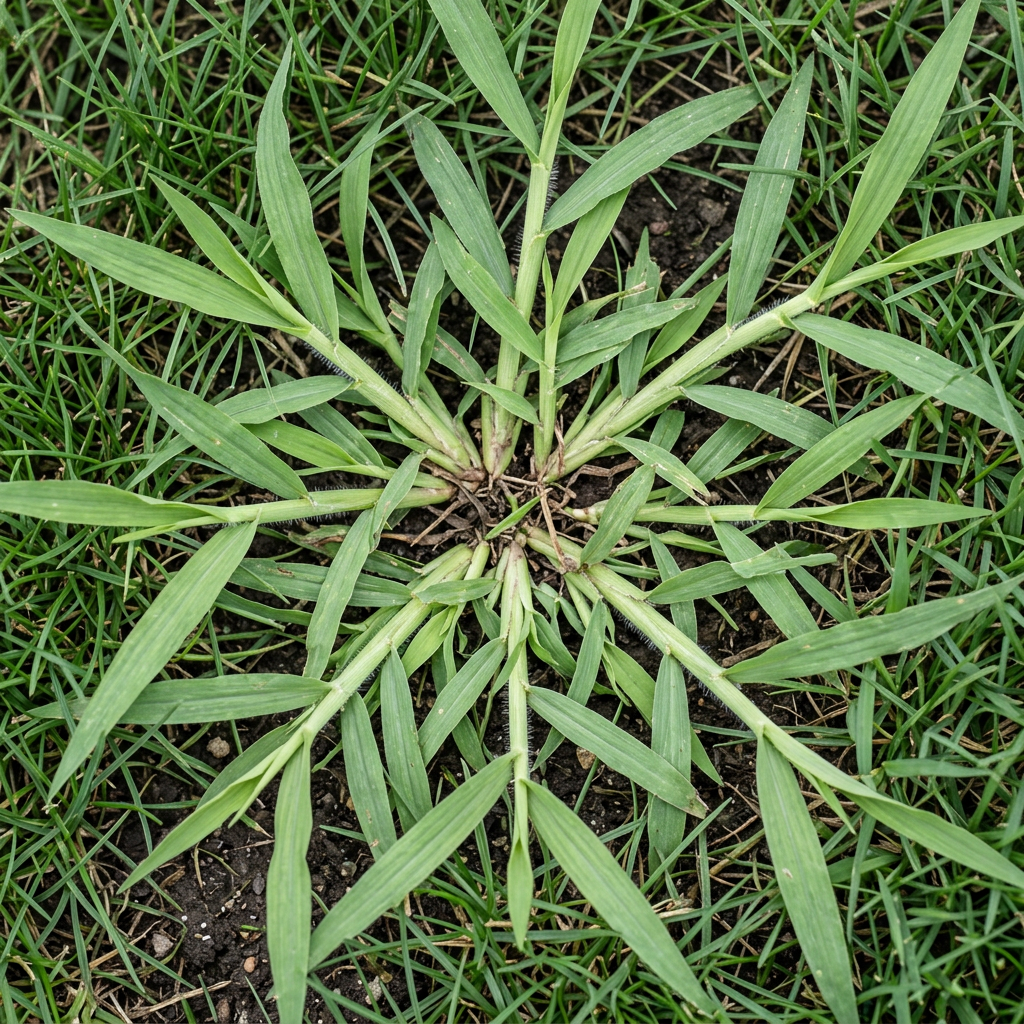
Crabgrass
Spring pre-emergent
Annual grassy weed — must be prevented before germination
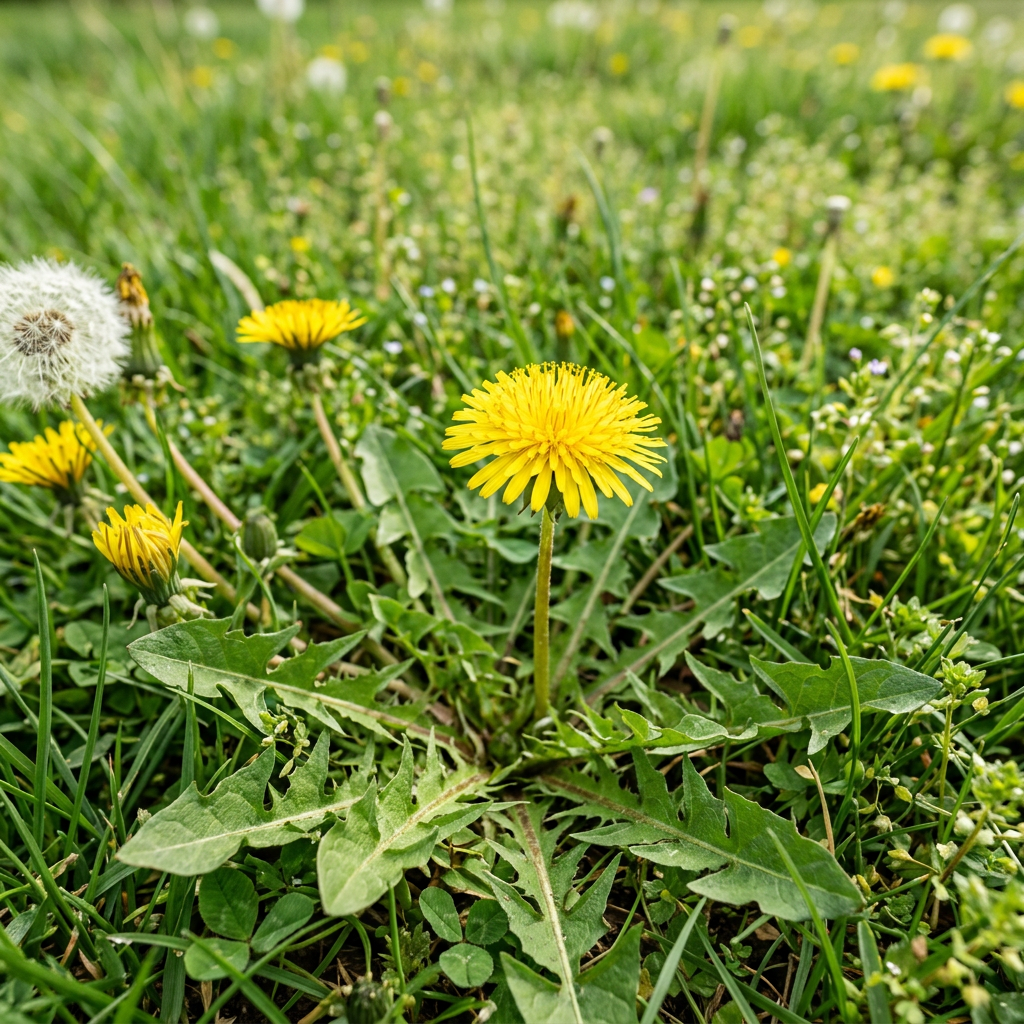
Dandelion
Spring & fall post-emergent
Broadleaf perennial — deep taproot requires systemic control
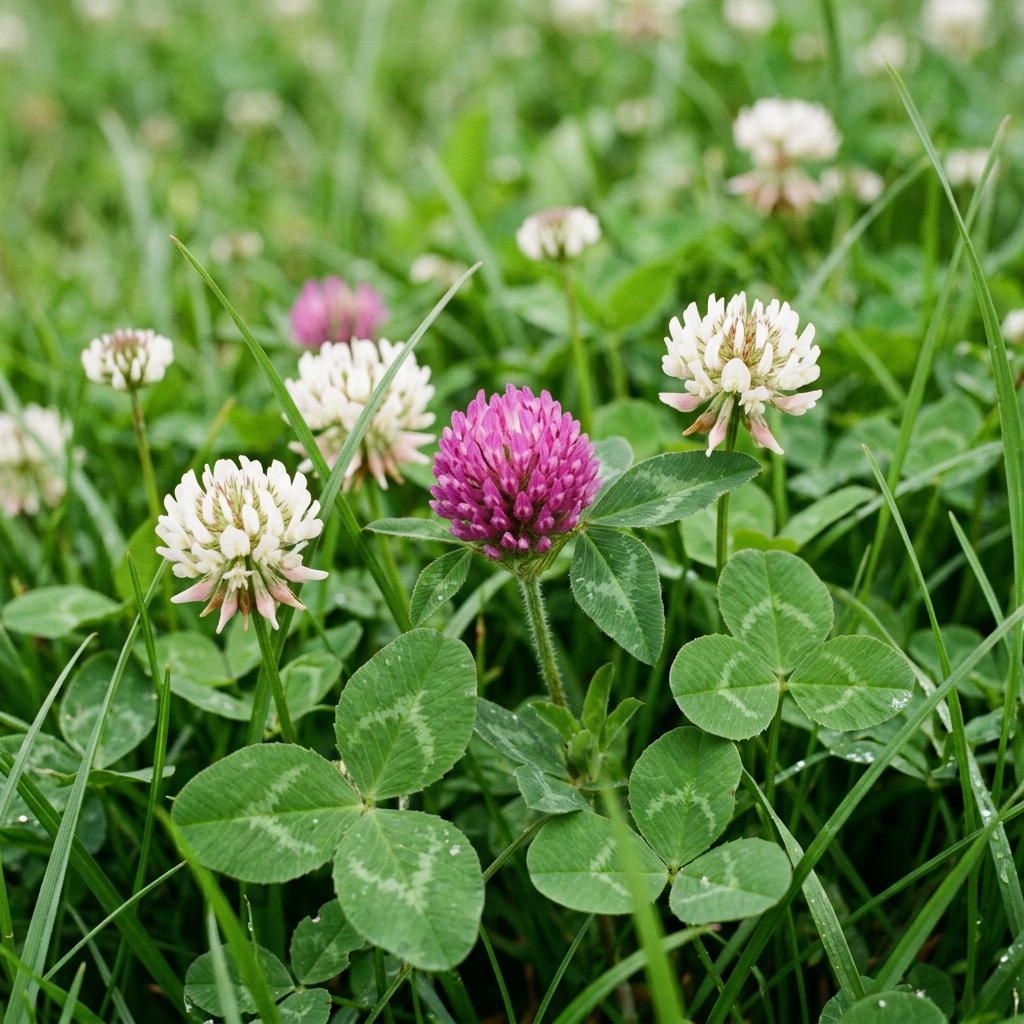
Clover
Spring & summer post-emergent
Nitrogen-fixing broadleaf — indicates low soil fertility
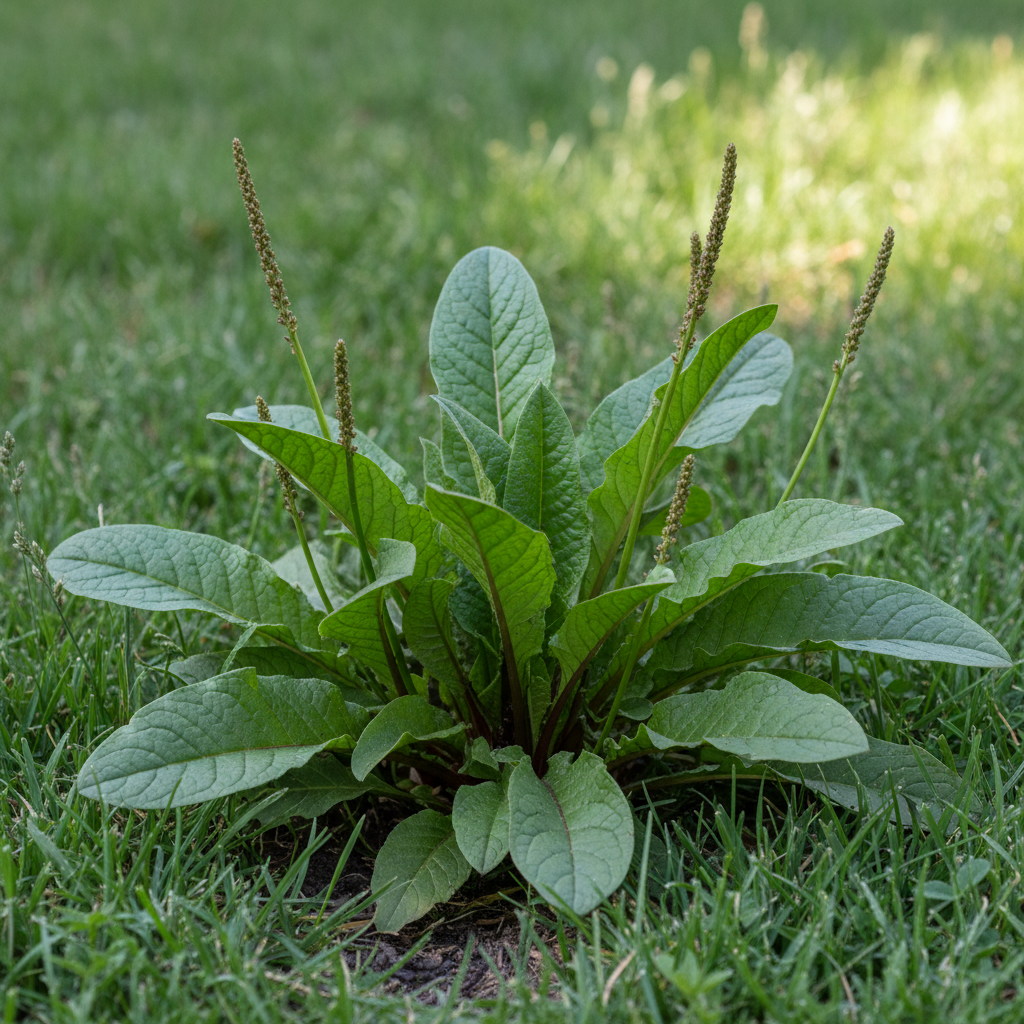
Plantain
Spring & fall post-emergent
Rosette broadleaf — common in compacted soils
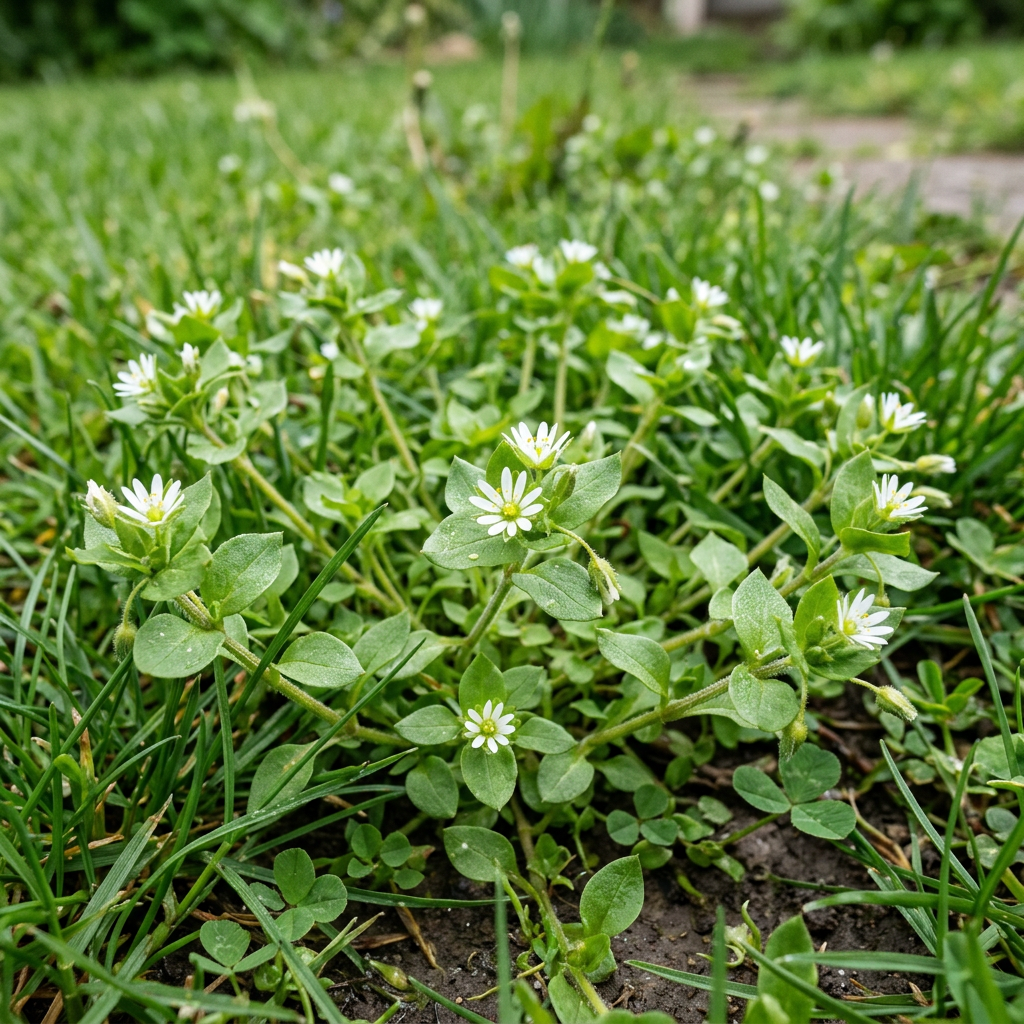
Chickweed
Fall & winter post-emergent
Winter annual — thrives in cool, moist conditions
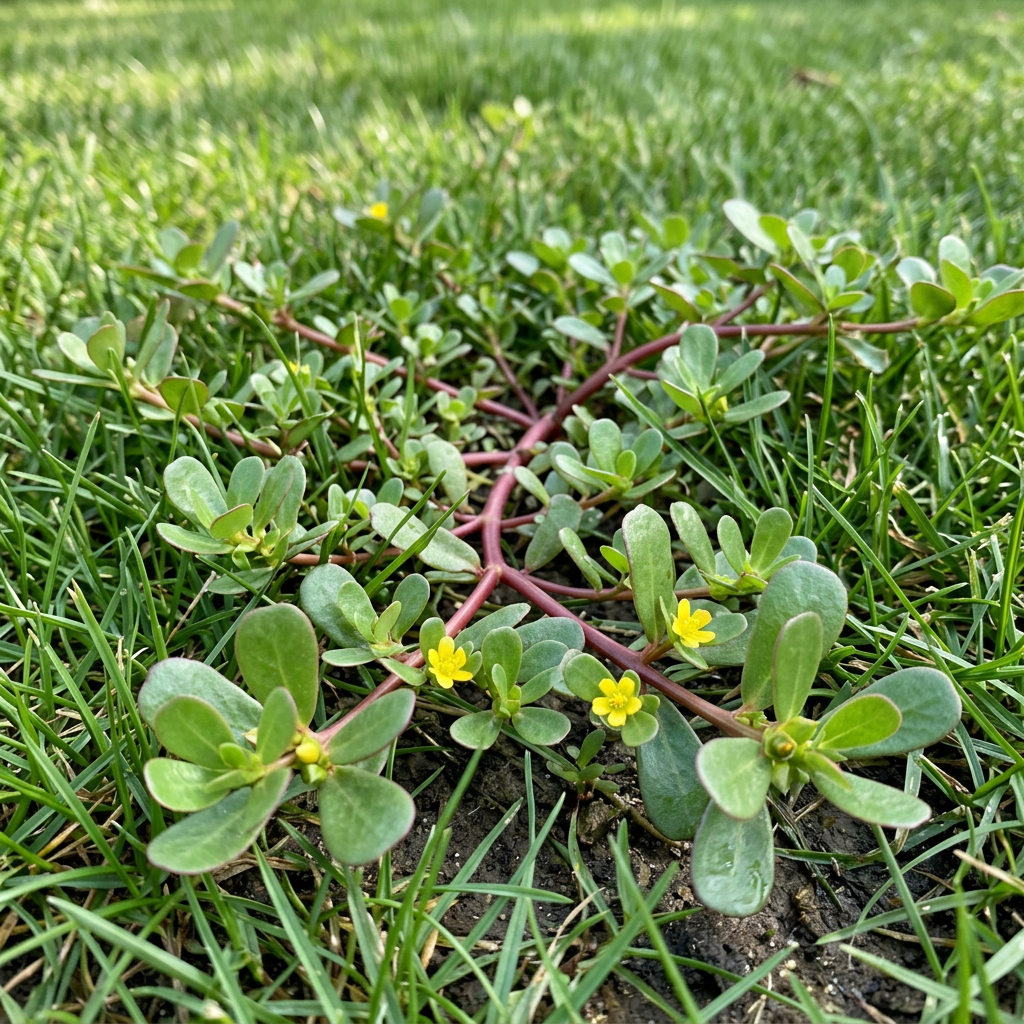
Purslane
Summer targeted treatment
Succulent annual — germinates in hot weather
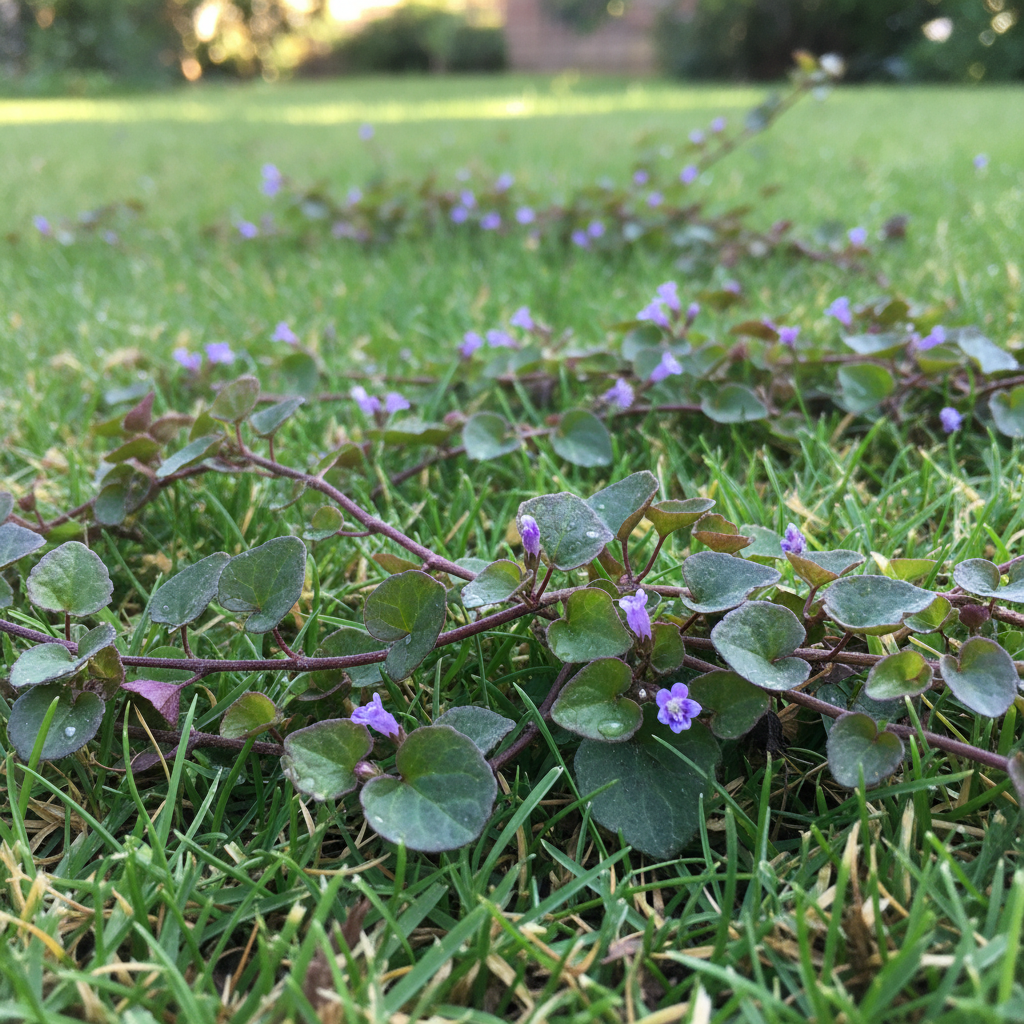
Ground Ivy
Fall post-emergent
Creeping broadleaf — most effective control in autumn
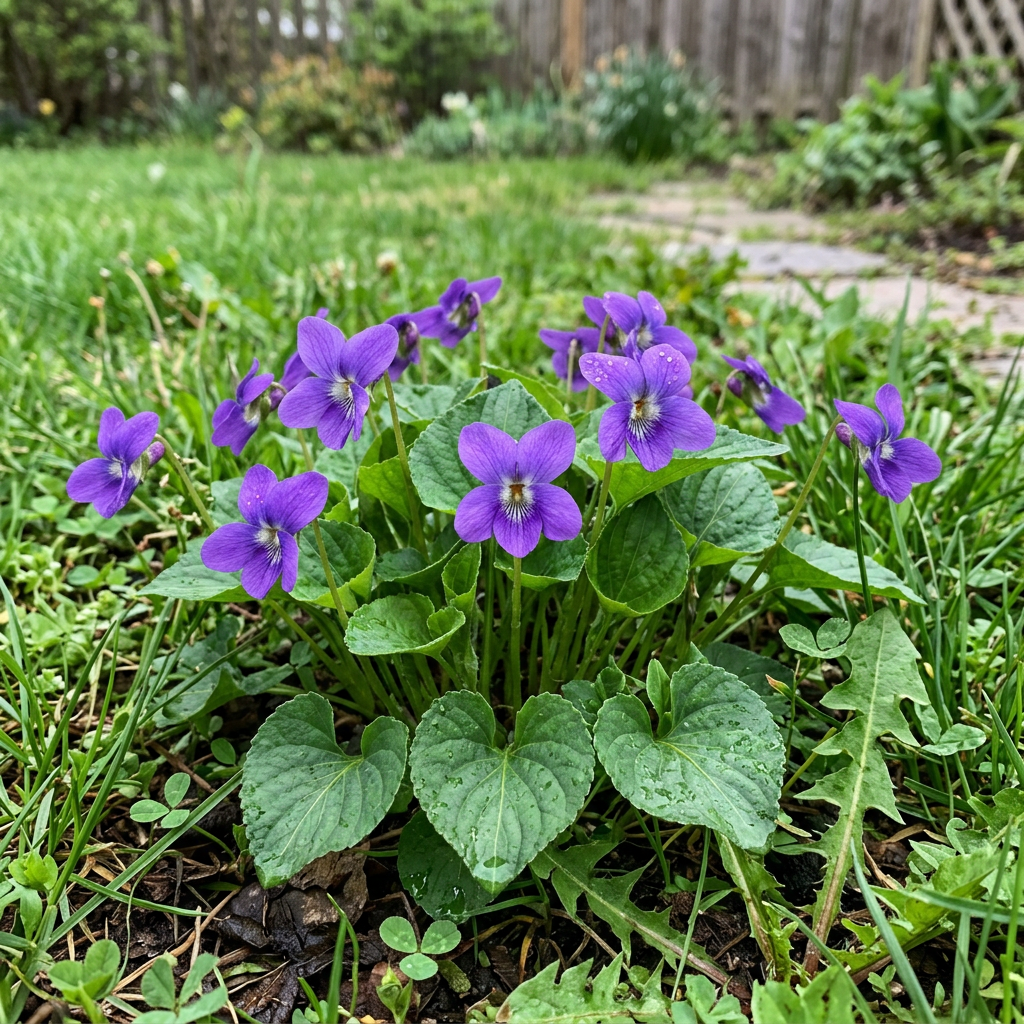
Violets
Spring & fall post-emergent
Perennial broadleaf — purple flowers indicate infestation
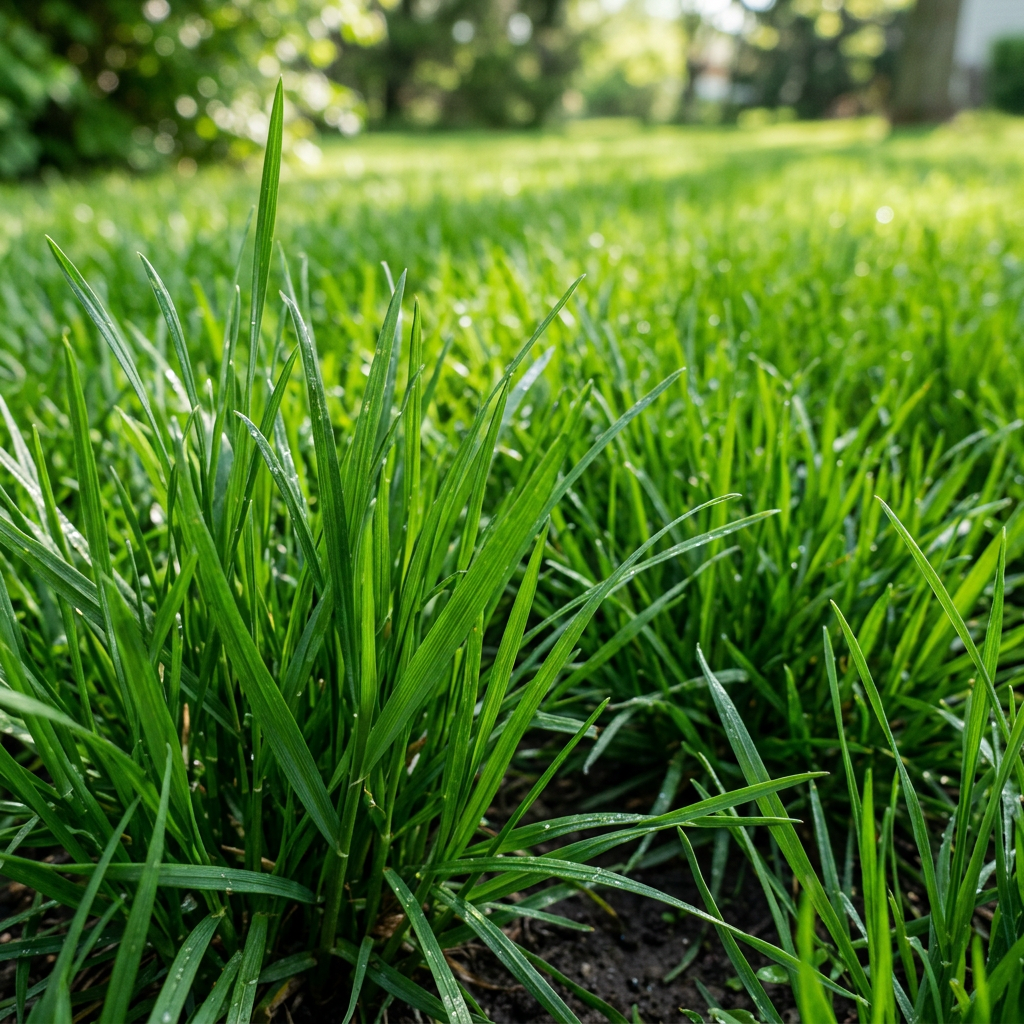
Kentucky 31
Establishment
Hardy tall fescue grass — ideal for Lehigh Valley lawns, drought and wear tolerant
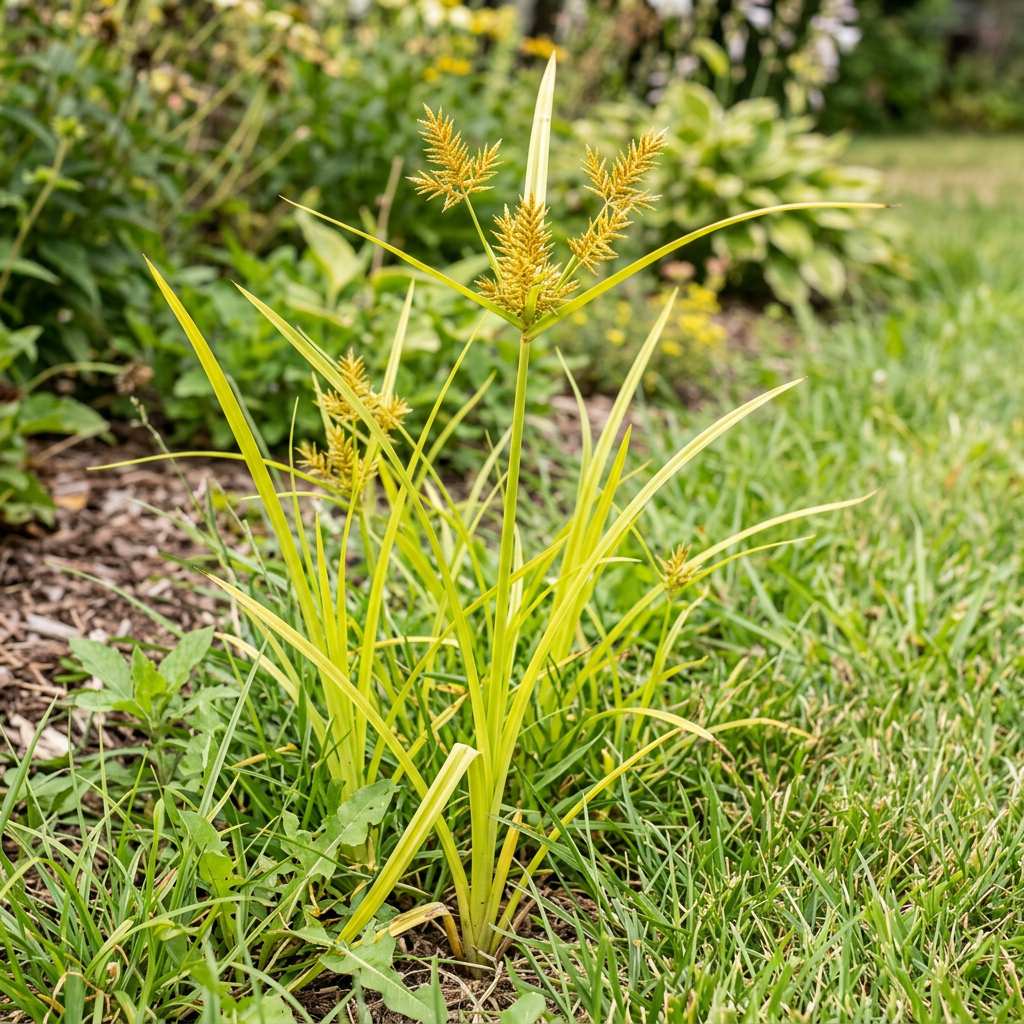
Yellow Nutsedge
Summer treatment
Sedge with triangular stems and yellow-green color — spreads via underground tubers, difficult to control
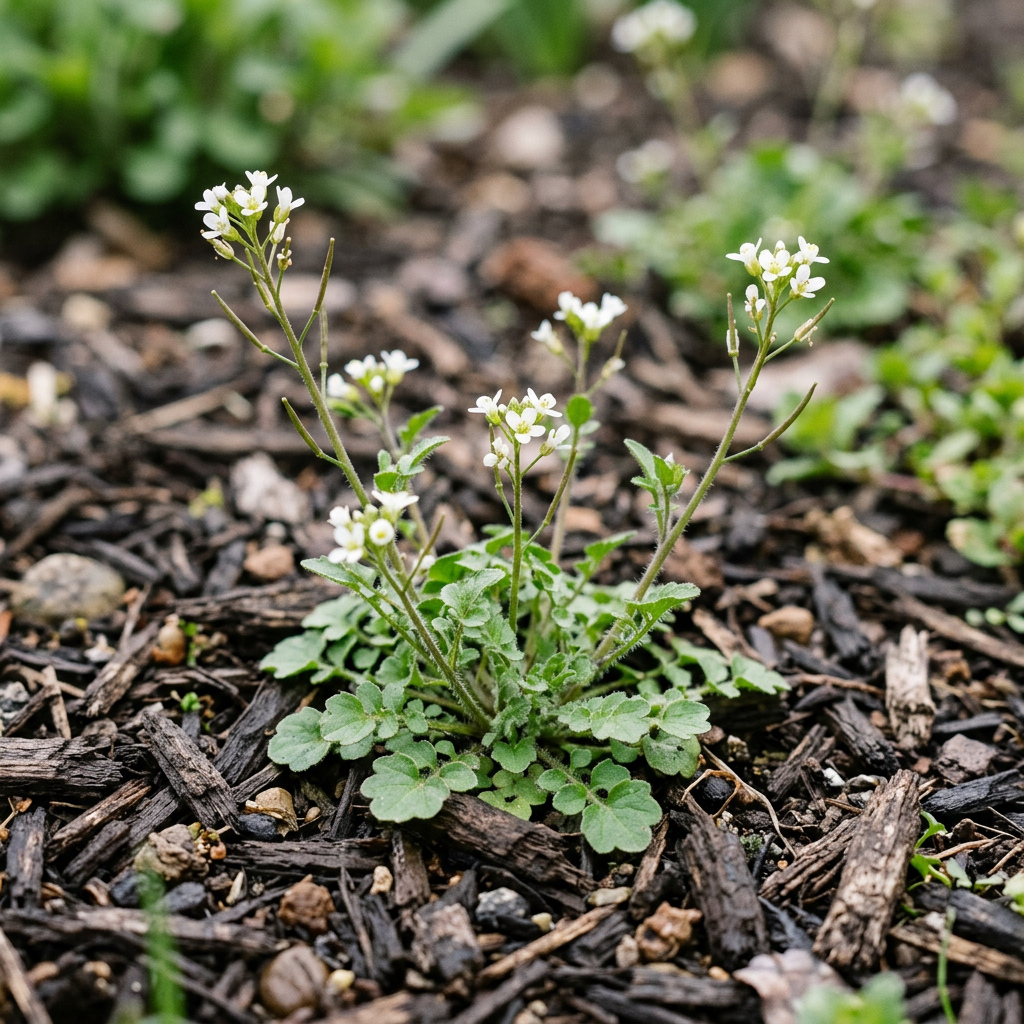
Hairy Bittercress
Early spring
Small rosette weed that explosively ejects seeds when touched, spreading rapidly across lawns and beds before most homeowners notice.
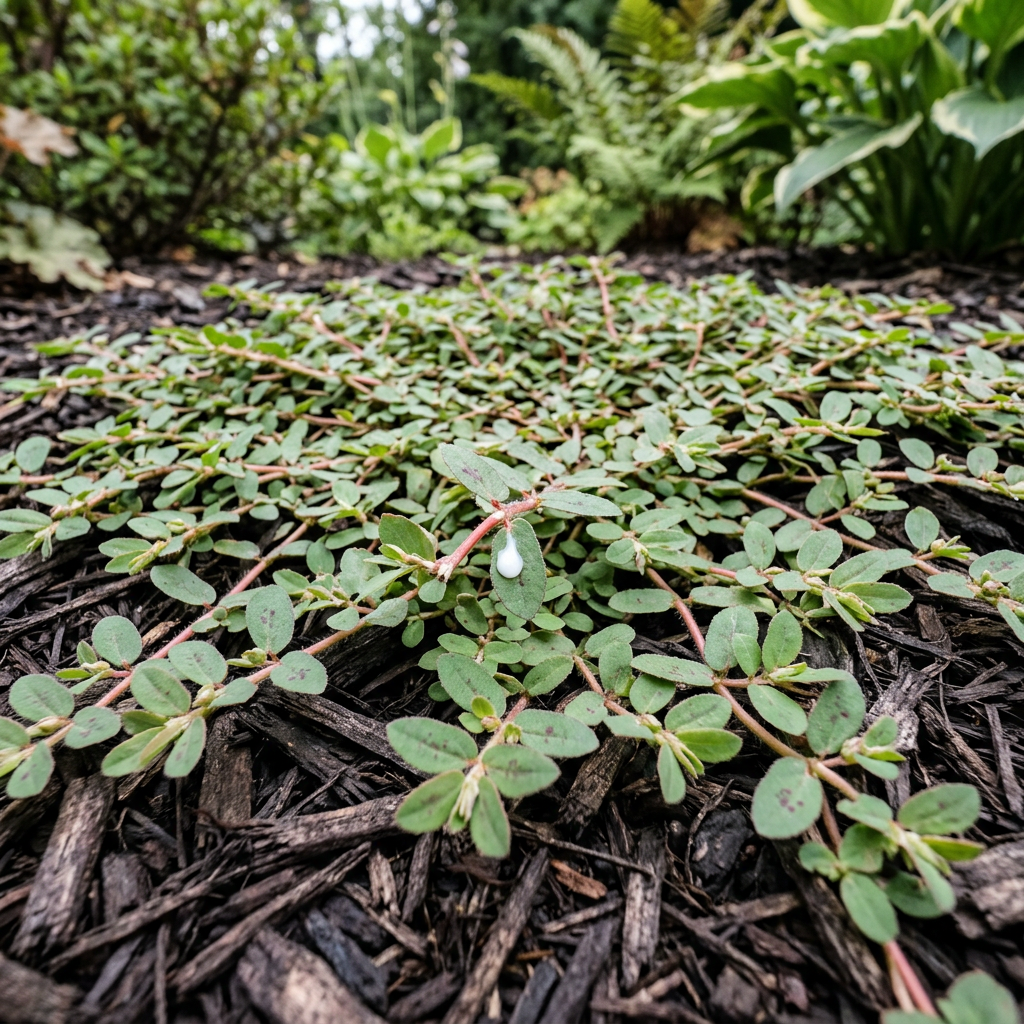
Spurge
Summer
Low-growing mat weed that spreads quickly across mulch. Produces a milky sap irritating to skin. Best controlled before it sets seed.
Why Do Weeds Germinate?
Weeds germinate when conditions align with their specific triggers. Crabgrass, for example, requires consistent soil temperatures above 55°F for several days — a window most homeowners miss. Other weeds respond to light exposure, moisture, and nutrient availability in your soil.
Many weed seeds lie dormant in your soil for years, waiting for the perfect moment to sprout. A single dandelion produces over 15,000 seeds per year, and some weed seeds remain viable for decades. Without a proactive prevention strategy, you're fighting an endless battle.
Understanding when and why weeds germinate in the Lehigh Valley is the foundation of effective control. Our certified technicians time treatments to interrupt the germination cycle before weeds ever get established.
The Best Way to Control Weeds
The key to long-term control is combining prevention with tactical treatment. Pre-emergent applications stop weeds before they germinate, while post-emergent treatments eliminate established weeds. A strong, healthy lawn is your best defense — when grass is thick and vigorous, weeds have nowhere to establish.
Common Lawn Diseases in the Lehigh Valley
Fungal and disease issues are often mistaken for weeds or drought stress. Know what you're dealing with.
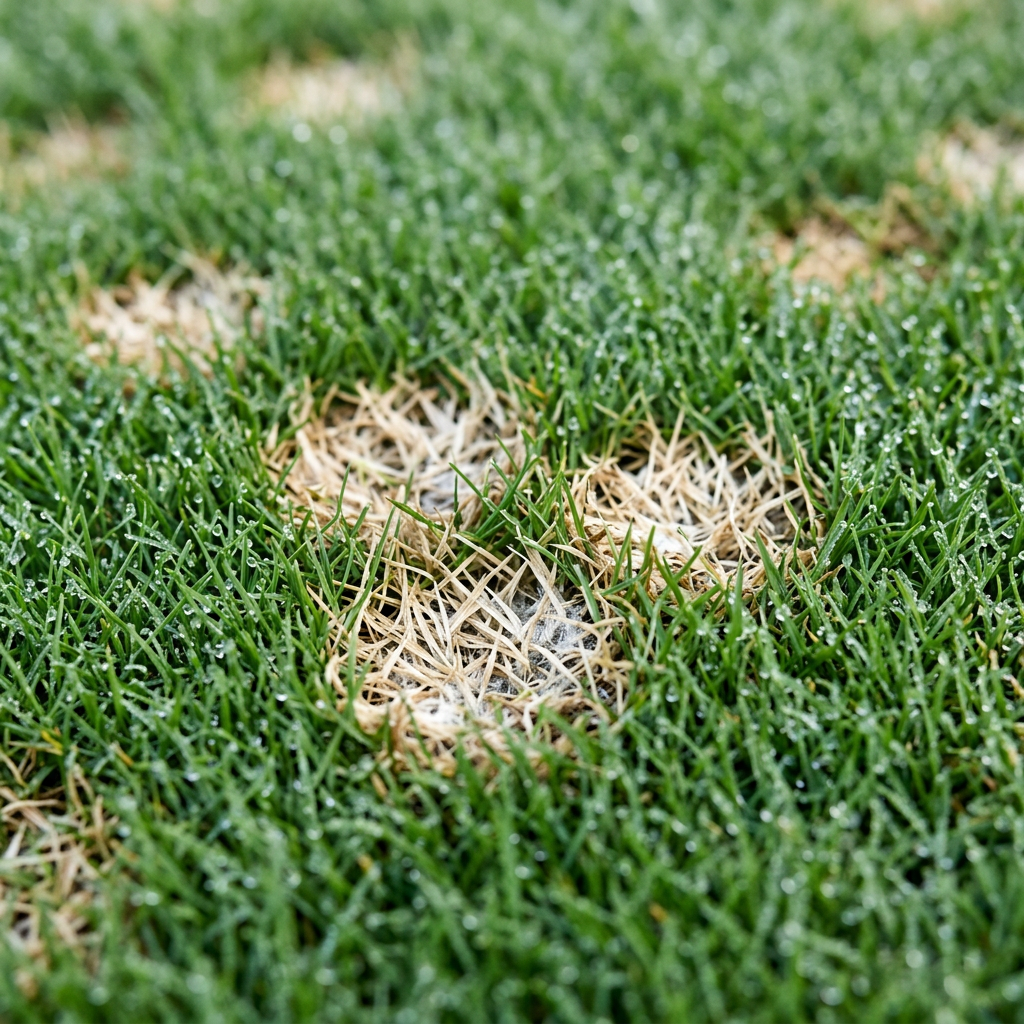
Dollar Spot
Late Spring – Fall
Small silver-dollar-sized bleached spots on turf. Caused by fungus in warm, humid conditions with low nitrogen. Cobweb-like mycelium visible in morning dew.
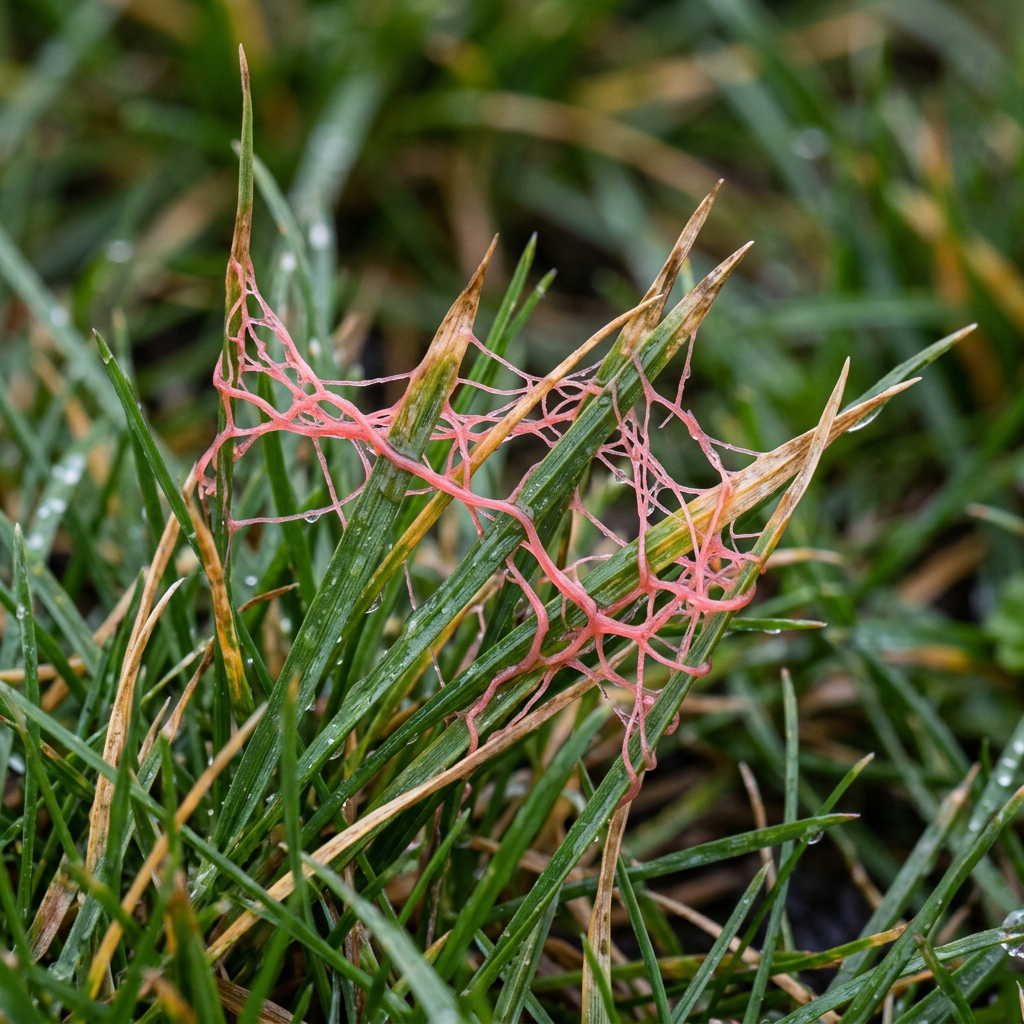
Red Thread
Spring & Fall
Pink-red thread-like strands binding grass blades together. Thrives in cool, wet weather. Indicates low nitrogen levels in the soil.
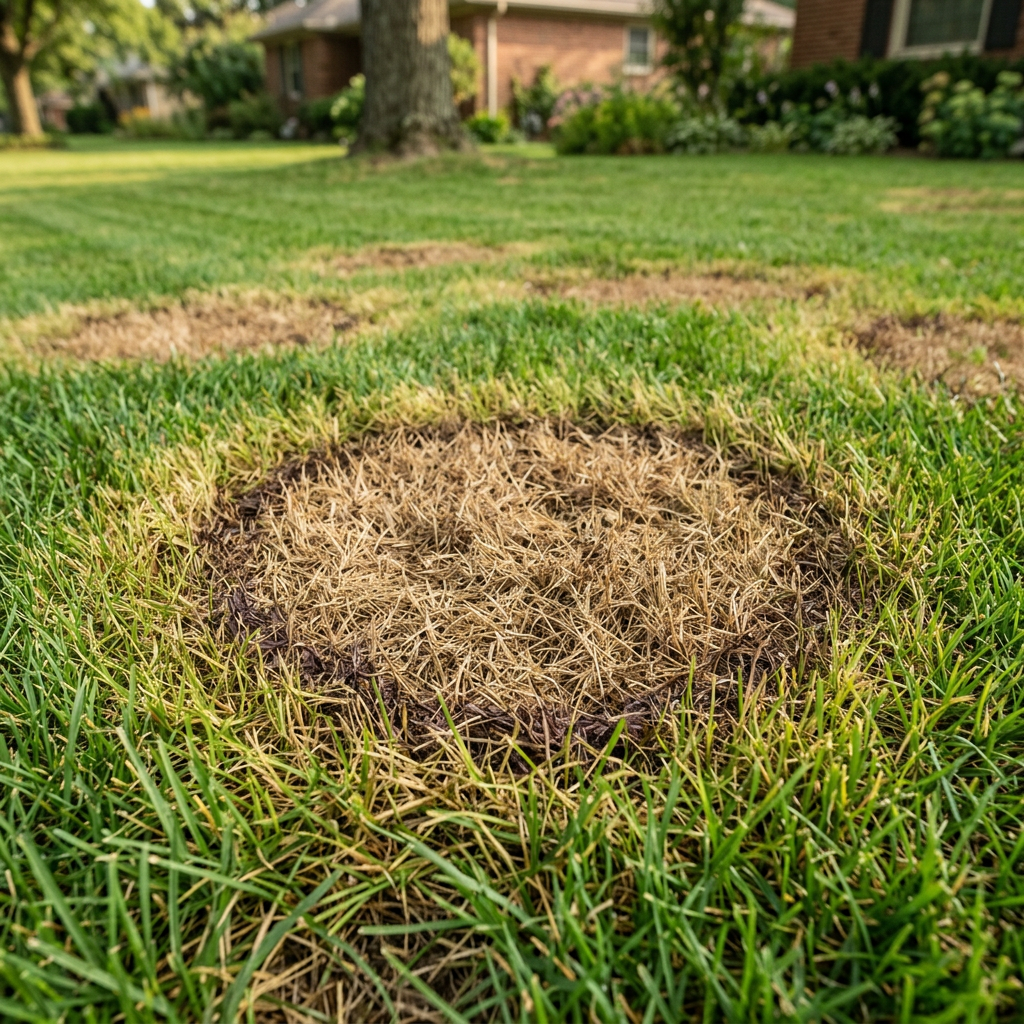
Brown Patch
Summer
Large circular brown patches up to several feet wide. A hot-weather fungal disease that spreads rapidly in humid nights above 70°F. Most common in tall fescue.
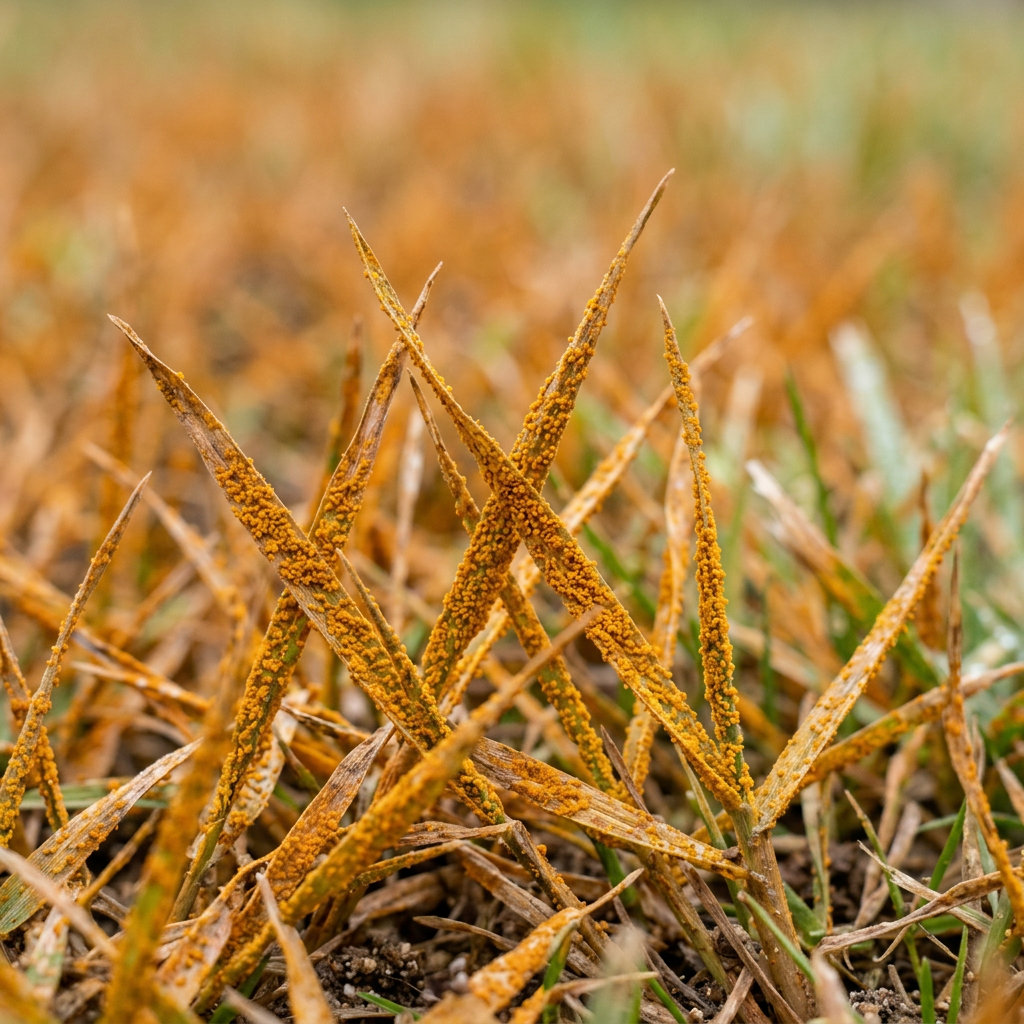
Rust
Late Summer – Fall
Orange-yellow powdery spores coating grass blades. Lawn appears dusty orange. Occurs in slow-growing turf with low nitrogen during warm days and cool nights.
Ready to Get Started?
Let us design a customized weed control strategy for your property.
Get an Estimate on our Weed Fertilization Program